
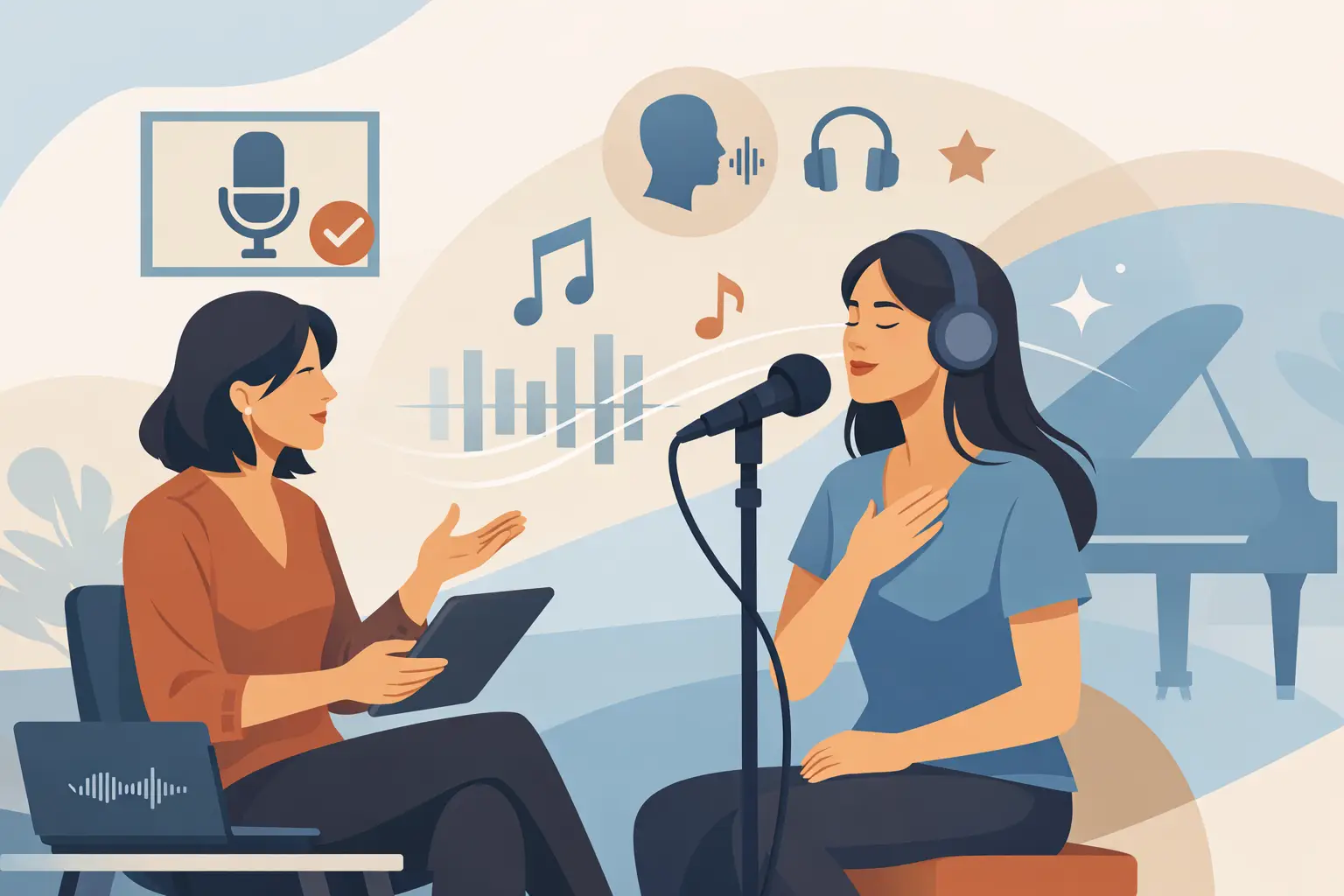
A singer can leave a lesson feeling excited, challenged, and more confident - or confused, tense, and unsure whether anything really clicked. That is why a private voice lesson review matters. If you are a parent looking for the right fit for your child, or an adult student thinking about starting lessons, the best review is not just whether the teacher is talented. It is whether the lesson helps the student grow.
Voice lessons are personal. Your instrument lives in your body, so trust, encouragement, and clear instruction all matter more than most people expect. A flashy resume can look impressive, but if the teacher cannot connect, adjust, and build confidence, the lesson may not lead very far. A strong voice program should help students sing better, feel better, and enjoy the process enough to keep going.
A private voice lesson review should look beyond talent
Many families start by asking a simple question: Is the instructor good? That is a fair place to begin, but it is only part of the picture. A great singer is not always a great teacher. In private lessons, the real test is whether the instructor can meet the student where they are and guide them forward in a way that feels clear and motivating.
For a beginner, that may mean learning how to breathe, match pitch, and sing without strain. For a teen preparing for auditions, it may mean refining tone, expanding range, and building stage confidence. For an adult returning to music after years away, it may mean rebuilding skills at a comfortable pace without embarrassment. Good teaching changes shape based on the student.
That is why the strongest lessons feel personal, not generic. The student should not feel like they are being pushed through the same routine as everyone else. They should feel seen, coached, and supported.
What a great voice lesson actually feels like
The best lessons usually have a certain rhythm to them. There is warmth at the beginning, focused instruction in the middle, and a sense of progress by the end. Even when a student is working on something difficult, the lesson should feel encouraging rather than intimidating.
A good teacher listens closely. They notice tension in the shoulders, a vowel that is closing too much, breath that runs out too quickly, or a student who is mentally checked out because the song choice is not connecting. Then they adjust. That kind of attention is where progress starts.
Strong lessons also balance technique and fun. Technique matters because healthy singing habits protect the voice and make better sound possible. Fun matters because students stay engaged when they enjoy the music they are singing and feel proud of what they are learning. If a lesson is all drills and no joy, motivation fades. If it is all fun and no structure, progress tends to stall. The sweet spot is both.
Signs the lesson is working
A productive voice lesson does not always mean the student sounds polished right away. In fact, some of the best lessons feel a little messy because real growth often happens while trying new habits. What you want to notice is forward movement.
The student may leave understanding one specific thing they can do better. They may sing with more confidence than they did at the start of the lesson. They may be more aware of posture, breath, resonance, phrasing, or diction. They may even be excited to practice, which is often one of the clearest signs that the lesson connected.
For parents, another strong sign is that your child feels safe enough to try. Singing can feel vulnerable. If your child is willing to sing out, make mistakes, and come back next week ready to keep going, that says a lot about the environment.
Red flags in a private voice lesson review
Not every lesson that sounds professional is actually a good fit. Some warning signs are obvious, while others are more subtle.
If the teacher spends most of the lesson talking and very little time actually coaching the student through singing, that is a problem. If the student leaves confused about what to practice, that is another one. If feedback is overly harsh, vague, or dismissive, confidence can take a hit fast.
There are also practical issues to watch for. A teacher may be knowledgeable but disorganized. They may not adapt to the student’s age, goals, or learning style. They may push songs that are not appropriate for the student’s current range or maturity. None of these automatically mean the teacher is bad, but they do mean the fit may not be right.
A private voice lesson review should also ask whether the experience supports consistency. Families are busy. Adult students are busy. If scheduling is hard, communication is unclear, or the overall experience feels stressful, even a decent lesson can become difficult to maintain.
What parents should pay attention to
Parents do not need to be musicians to tell whether a voice lesson is helping. You can learn a lot by watching your child’s response over time.
Does your child look forward to lessons? Do they talk about what they are learning? Are they gradually becoming more comfortable singing in front of others? Those changes matter. Growth in voice lessons is not just technical. It often shows up as confidence, discipline, expression, and a willingness to perform.
You can also pay attention to communication. A strong studio helps parents understand goals, next steps, and how progress is being built. That does not mean every lesson needs a formal report. It means there should be clarity. You should know what your child is working toward and feel like the instructor cares about their development.
Performance opportunities can be especially valuable here. Students often practice with more purpose when they know they will get to share their work. Singing in front of others teaches poise, preparation, and resilience in a way private practice alone cannot. For many students, that is where confidence really starts to bloom.
What adult students should look for
Adults often enter voice lessons with a mix of excitement and nerves. Some are total beginners. Some sang years ago and want to come back. Some simply want a creative outlet after spending most of their time working, parenting, or taking care of everyone else.
A good adult lesson should respect that reality. It should be focused and effective, but it should also feel welcoming. Adults do not need pressure or perfection. They need a teacher who can explain clearly, celebrate progress, and keep the experience enjoyable enough to fit real life.
Flexibility matters too. If you are an adult student, consistency is still important, but life happens. A studio that makes scheduling easy and reduces friction can make the difference between staying committed and giving up too soon.
The best results come from the right fit
One of the most honest things any private voice lesson review can say is this: the best teacher on paper is not always the best teacher for you. Fit matters. Personality matters. Goals matter. Age and experience matter.
A young beginner may need energy, patience, and lots of encouragement. A serious teen vocalist may need detailed coaching and performance preparation. An adult hobbyist may want a low-pressure environment with clear instruction and favorite songs mixed into the process. None of these needs are wrong. They are simply different.
That is why trial lessons can be so helpful. They let students experience the teaching style instead of guessing from a bio alone. In one meeting, you can often tell whether the environment feels supportive, whether the instruction makes sense, and whether the student leaves wanting to come back.
At a student-centered studio like Matt Burk Music Studio, that fit matters because lessons are about more than checking a box each week. They are about helping each singer build real skill, real confidence, and real joy in music.
Why the lesson experience matters as much as the lesson itself
The truth is that singing progress rarely comes from one amazing session. It comes from showing up week after week, feeling encouraged enough to keep trying, and having a clear path forward. That is why the overall experience matters so much.
When students are supported, they stick with it. When they stick with it, they improve. When they improve, they gain confidence not only as singers but as people. That growth can carry into school, work, friendships, auditions, performances, and everyday life.
If you are evaluating voice lessons, trust both the details and the feeling. Look for expertise, yes, but also warmth, clarity, flexibility, and genuine care. The right lesson should make a student feel challenged in a good way - like they are capable of more than they thought. That is the kind of music education that lasts.