
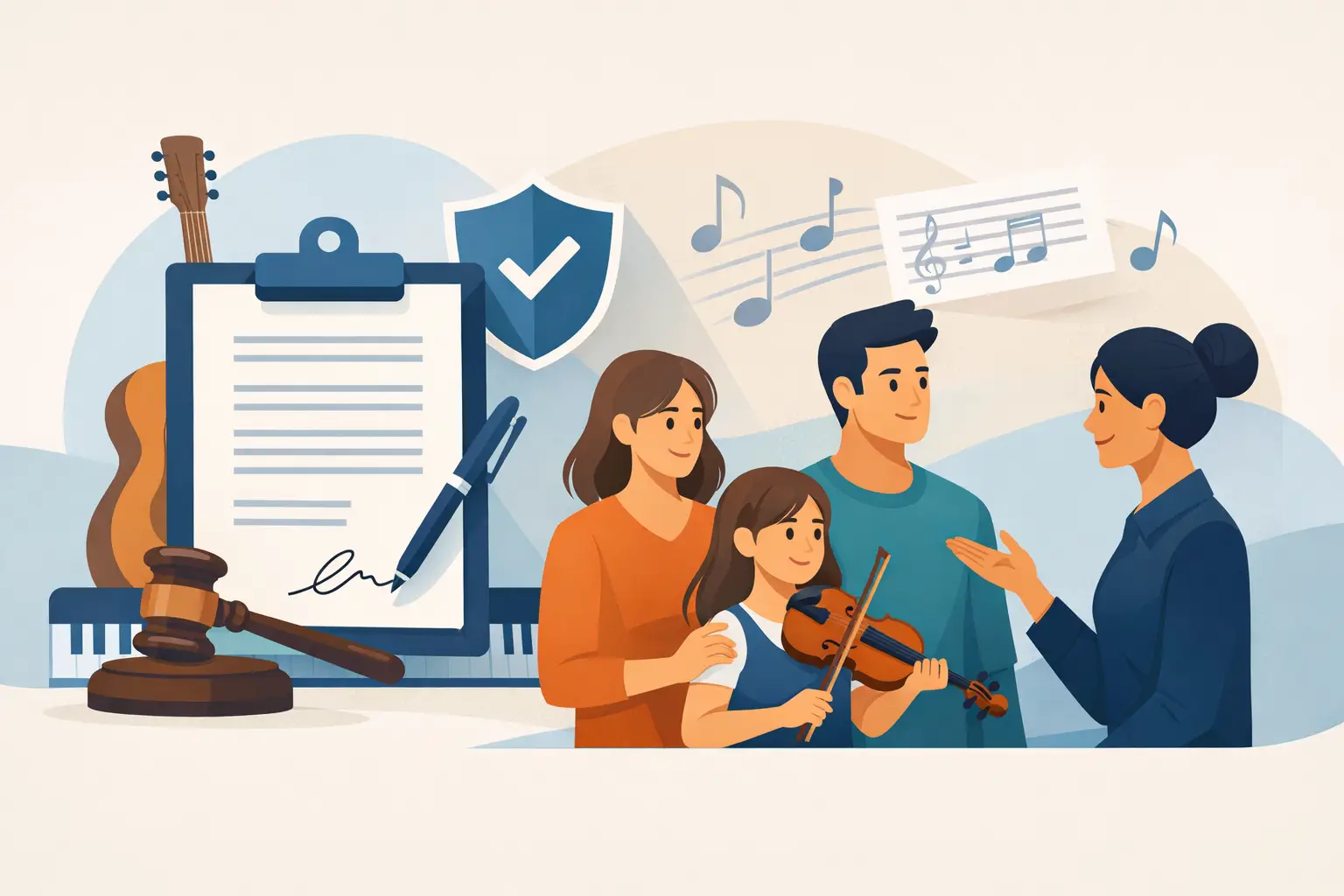
A child may be excited to start piano this month and discover that guitar is the better fit three months later. An adult may be ready to return to singing but need to work around a changing schedule. That is why the question, do music lessons need contracts, is about more than paperwork. It is about whether a studio gives students room to grow while still providing dependable, high-quality instruction.
The short answer is no: music lessons do not need a long-term contract to be meaningful, structured, or successful. But every great studio should have clear expectations. The difference matters, especially for busy families in Allen and Frisco who want their investment in music to feel encouraging, organized, and practical.
Do Music Lessons Need Contracts to Create Progress?
A contract can give a studio predictable enrollment and help families understand tuition, attendance, and cancellation expectations. For some programs, especially specialized conservatories, competition teams, or multi-month group productions, a defined commitment can make sense. A band class preparing for a show, for example, needs reliable participation so every student can rehearse with confidence.
Private music lessons are different. Progress comes from consistency, a caring teacher, clear goals, and practice between sessions. A signature on a six- or twelve-month agreement does not create any of those things. In fact, a rigid contract can make lessons feel like an obligation when the goal should be helping students enjoy music enough to keep coming back.
The best reason to continue lessons is not that a family is locked into a term. It is that the student is learning songs they love, building confidence, connecting with their instructor, and seeing real improvement. When students feel supported, they are far more likely to stick with it.
A Contract and a Lesson Policy Are Not the Same Thing
It helps to separate two ideas that are often grouped together. A long-term contract asks a family to pay or remain enrolled for a set period, often with fees or strict conditions for leaving early. A lesson policy explains how the studio operates from week to week.
A thoughtful policy is a good thing. It should clearly explain tuition, how scheduling works, what happens when a student is sick, and how a family can pause or end lessons. Clear policies protect everyone’s time and help instructors plan a consistent learning experience.
What families should question is a policy that feels confusing, overly punitive, or designed to make leaving difficult. You should not have to hunt through fine print to learn whether a missed lesson can be rescheduled or whether a schedule change will trigger a penalty.
At Matt Burk Music Studio, the focus is on helping students stay excited about learning, with no long-term contracts and flexible rescheduling options. That approach recognizes a simple reality: families have school events, work travel, illnesses, sports seasons, and full calendars. Flexibility removes a common barrier without lowering the standard of instruction.
When a Commitment Can Be Helpful
No-contract lessons do not mean casual lessons. Students still benefit from showing up each week, practicing with purpose, and setting goals with their teacher. Consistency is where new chords become songs, shaky rhythm becomes steady time, and nervous performers become musicians ready to share their gifts.
There are also times when a short, clear commitment is reasonable. A summer camp, a recording project, a recital package, or a band session may require enrollment through a specific event date. In those cases, the reason should be easy to understand. Students are not being trapped in a program. They are committing to a shared experience that depends on preparation and teamwork.
The key is transparency. Families should know the cost, dates, expectations, and options before enrolling. A studio that communicates clearly helps parents make good decisions and helps students start with confidence.
What to Look for Before You Enroll
Before choosing a lesson program, ask how the studio handles the everyday situations that matter most. You do not need a legal review. You need straightforward answers from people who respect your time.
First, ask whether tuition is month-to-month or tied to a longer agreement. Then ask about missed lessons, makeups, reschedules, teacher absences, and how much notice is needed to change or stop enrollment. If your child wants to switch instruments after trying a few lessons, find out whether the studio can support that transition.
It is also wise to ask what is included beyond the lesson itself. Does the student have opportunities to perform? Are there jam sessions, band experiences, open mics, or masterclasses? Do teachers help students work toward personal goals, whether that is playing a favorite song, auditioning for school, writing music, or simply gaining the confidence to perform for family?
Those questions reveal more than a contract ever could. They show whether a studio is built around students or around administrative rules.
Watch for Policies That Create Unnecessary Pressure
A few policies deserve a closer look. Automatic renewals that are hard to cancel, large early-termination fees, vague makeup rules, and pressure to pay many months upfront can all create frustration. That does not mean every prepaid package is unfair. Some families prefer a package because it helps them budget or because it includes a specific program.
The important question is whether you have a real choice and whether the terms are explained before you pay. A healthy studio relationship starts with trust. If you feel pressured before the first lesson, that feeling may not disappear after enrollment.
Why Flexibility Helps Students Stay Motivated
Parents sometimes worry that no contract means less accountability. Usually, accountability works better when it is personal. A student who knows their teacher is cheering them on, remembers their favorite artists, and is helping them prepare for a performance has a reason to practice. They are working toward something they care about.
For younger students, that may mean earning the confidence to play in a recital or join a band. For teens, it might mean developing stage presence, writing an original song, or playing with other musicians. For adults, it can be the joy of finally learning the song they have loved for years. Each goal is real, and each deserves an approach that fits the student.
Flexible enrollment also gives families permission to find the right match. The first instrument is not always the forever instrument. A student who starts on piano may fall in love with voice. A beginner guitarist may discover a passion for bass after joining a group. Great instruction makes room for those discoveries.
The Better Question to Ask
Instead of asking only, “Do music lessons need contracts?” try asking, “What will help my student keep growing?” Look for experienced teachers, a welcoming environment, clear communication, and opportunities to use new skills in the real world.
Music is a long-term skill, but it should not begin with anxiety. The right studio gives students structure without making them feel boxed in. It gives parents clarity without piles of confusing rules. Most of all, it gives each musician a place to have fun, build confidence, and make progress at a pace that feels possible.
A free trial lesson can be a wonderful first step. It lets your family meet a teacher, ask honest questions, explore an instrument, and see whether the environment feels like a place where your student can grow. Choose the program that makes your musician feel eager to come back next week - that is the kind of commitment worth building.