
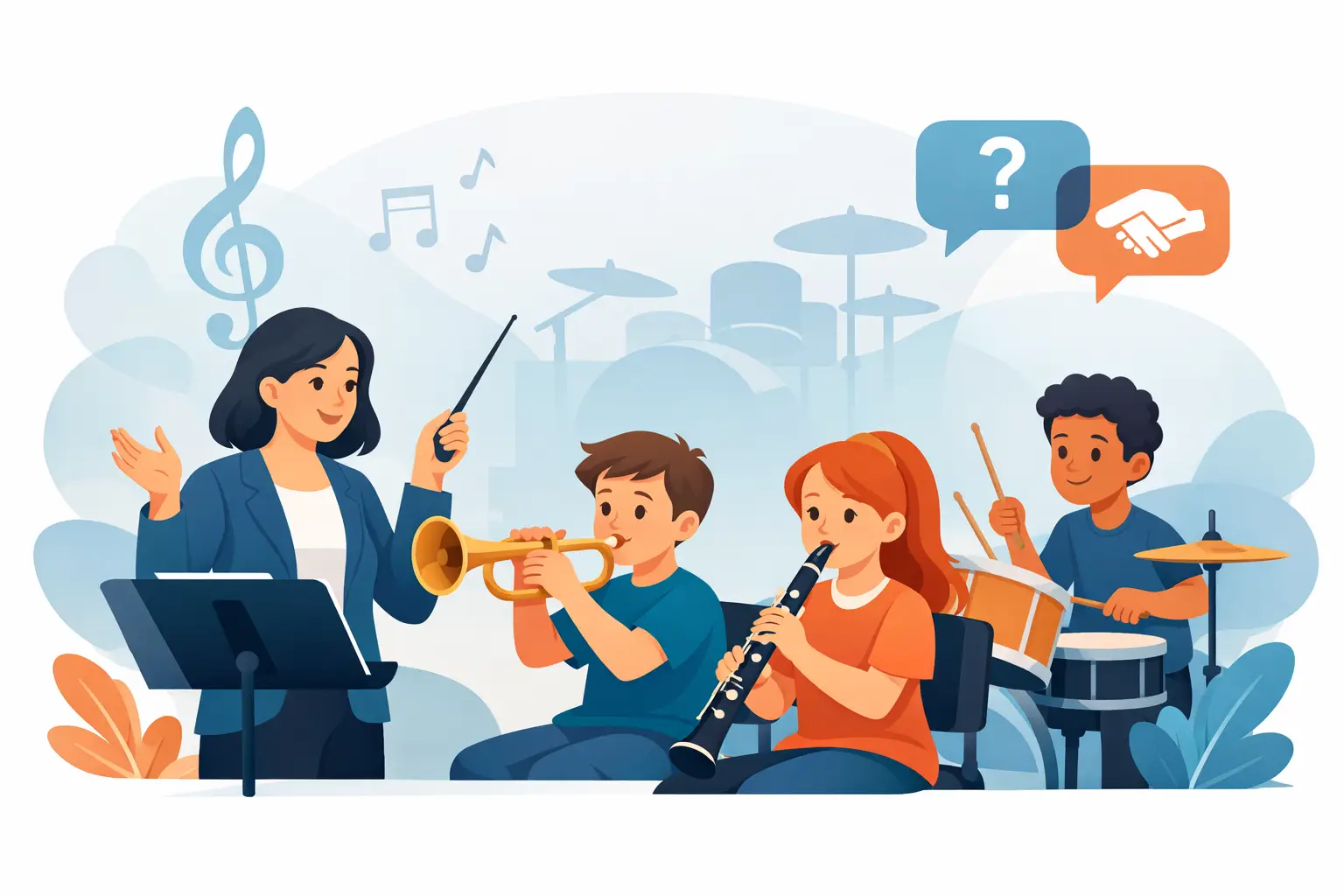
The first time a beginner locks into a song with other musicians, something changes. A simple drumbeat feels more exciting. Two guitar chords suddenly have a purpose. A young singer who was nervous alone may find the courage to sing because the band is right there with them. So, are band classes good for beginners? They can be one of the most fun and confidence-building ways to start making music, provided the class is designed to support new players.
For children, teens, and adults, band class offers more than a chance to learn songs. It teaches students how to listen, communicate, recover from mistakes, and contribute to something bigger than their individual part. The goal is not perfection on day one. The goal is helping each student feel capable, included, and excited to keep growing.
Why Band Classes Can Be Great for Beginners
Beginning musicians often imagine that they need to become "good enough" before playing with others. In reality, playing with others can help them become good enough faster. A well-led beginner band class gives students a reason to practice the basics because they can hear how those basics fit into real music.
A drummer learns why steady timing matters when the guitar player is following the beat. A guitarist learns to change chords more smoothly when the whole group is moving into the next section. A vocalist learns when to enter, when to listen, and how to hold a melody with confidence. These lessons feel practical because students are using them right away.
Band classes also make music more social. Private lessons are incredibly valuable for personalized attention and skill development, but a group setting adds energy that cannot be duplicated alone. Students laugh, encourage each other, celebrate a song coming together, and discover that every musician has moments where they need to pause, reset, and try again.
For a child who needs a confidence boost, that sense of belonging can be huge. For a teen who wants to make friends with similar interests, a band can become a positive creative outlet. For adults returning to music after years away, it can replace the pressure of "getting it right" with the joy of making a little noise alongside welcoming people.
Are Band Classes Good for Beginners Who Have Never Played?
Yes, but the setup matters. A true beginner does not need to know every scale, read advanced music, or play a full song before joining a band. They do need a class that meets them where they are.
The strongest beginner bands group students by age, experience, and musical readiness whenever possible. That does not mean every player must have identical skills. A mix of abilities can be helpful when instructors choose songs and parts thoughtfully. A newer bass player may play the root notes while a more experienced guitarist handles a busier riff. A new vocalist may sing a chorus while building toward a full song.
This approach lets each student contribute without feeling buried. Instead of being told to catch up, they are given a clear, achievable role. As their skills grow, their part can grow too.
A good instructor also breaks a song into manageable pieces. Rather than running a three-minute song from start to finish over and over, the group might focus on the intro, one verse, and one chorus. Students learn the structure, practice transitions, and gradually build the full arrangement. Progress becomes visible, which is motivating for beginners who may otherwise feel overwhelmed.
What Beginners Learn Beyond Their Instrument
Band class teaches musical skills that matter in every setting. Listening is one of the biggest. A student may know their notes at home, but playing in a group teaches them to hear the count-in, follow the beat, notice dynamics, and leave space for other musicians.
Students also develop timing in a natural way. Metronomes are useful, but there is a special kind of focus that comes from keeping a song moving with real people. Beginners learn that if they miss a note, the song does not have to stop. They can listen, find the next section, and jump back in. That is a powerful lesson for both musicianship and confidence.
There is also the experience of communicating respectfully. Bandmates have to make decisions about song choices, endings, volume, and practice goals. Guided by a kind instructor, students learn how to share ideas, accept feedback, and support another musician's moment in the spotlight.
These are the skills that turn a student from someone who takes lessons into someone who can make music with others.
When a Band Class May Not Be the Best First Step
Band classes are exciting, but they are not a one-size-fits-all answer. Some brand-new students benefit from a few private lessons before joining a group. This is especially true when a student is still getting comfortable holding their instrument, producing a sound, or learning the most basic rhythm patterns.
Students who feel anxious in groups may also need a gentler start. That does not mean band class is off the table. It may simply mean beginning with private or semi-private instruction, then joining a supportive group once they have a few skills and a trusted teacher in their corner.
The quality of the class matters, too. A beginner should not be placed in a room where advanced musicians play at full speed and no one explains what is happening. That situation can make a student feel like they do not belong. The right band class should feel challenging but encouraging, with songs adapted to the players in the room.
For many students, the ideal path is both private instruction and band experience. Private lessons build the personal foundation. Band classes give students a place to use that foundation, develop performance habits, and have fun with it.
How Parents Can Tell if a Beginner Is Ready
Readiness is less about age or talent and more about attitude, support, and fit. A student may be ready if they can follow simple directions, stay engaged for a group activity, and show interest in playing songs with other people. They do not have to be fearless. In fact, a little nervousness is completely normal.
Ask whether the class is organized for beginners and how instructors assign parts. Find out if students receive guidance between rehearsals, whether songs are age-appropriate, and how the group handles different skill levels. A thoughtful program will have answers that make you feel your child will be seen as an individual, not just placed into a lineup.
It also helps to ask about performance opportunities. A performance gives practice a meaningful goal, but beginners need preparation and encouragement before stepping onstage. Small milestones such as a studio jam, open mic, or group showcase can help students build stage confidence before larger venue performances.
Making the First Band Experience a Success
The best first experience begins with realistic expectations. Students will make mistakes. They may lose their place, come in early, play too quietly, or forget a chord they knew perfectly at home. That is part of learning to play with a band.
Encourage them to practice their assigned part in short, consistent sessions. Listening to the original song can help, but students should also practice counting, starting and stopping cleanly, and playing along with a slower version when needed. The goal is steady improvement, not cramming before rehearsal.
At rehearsal, remind beginners that listening is just as important as playing. If they are unsure, they can watch the instructor, listen for the drummer or bass, and enter on the next phrase. Every successful recovery teaches them that a mistake is not the end of the song.
At Matt Burk Music Studio, band experiences are designed to help students grow into confident performers while having a great time with fellow musicians. With personalized instruction, supportive coaching, and opportunities to share music in front of an audience, students can move from their first notes to meaningful performance moments at a pace that feels exciting, not intimidating.
A beginner does not need to wait until they feel completely ready to join a band. With the right guidance, a welcoming group, and a song worth playing, making music together can be the very thing that helps them realize they are ready.