
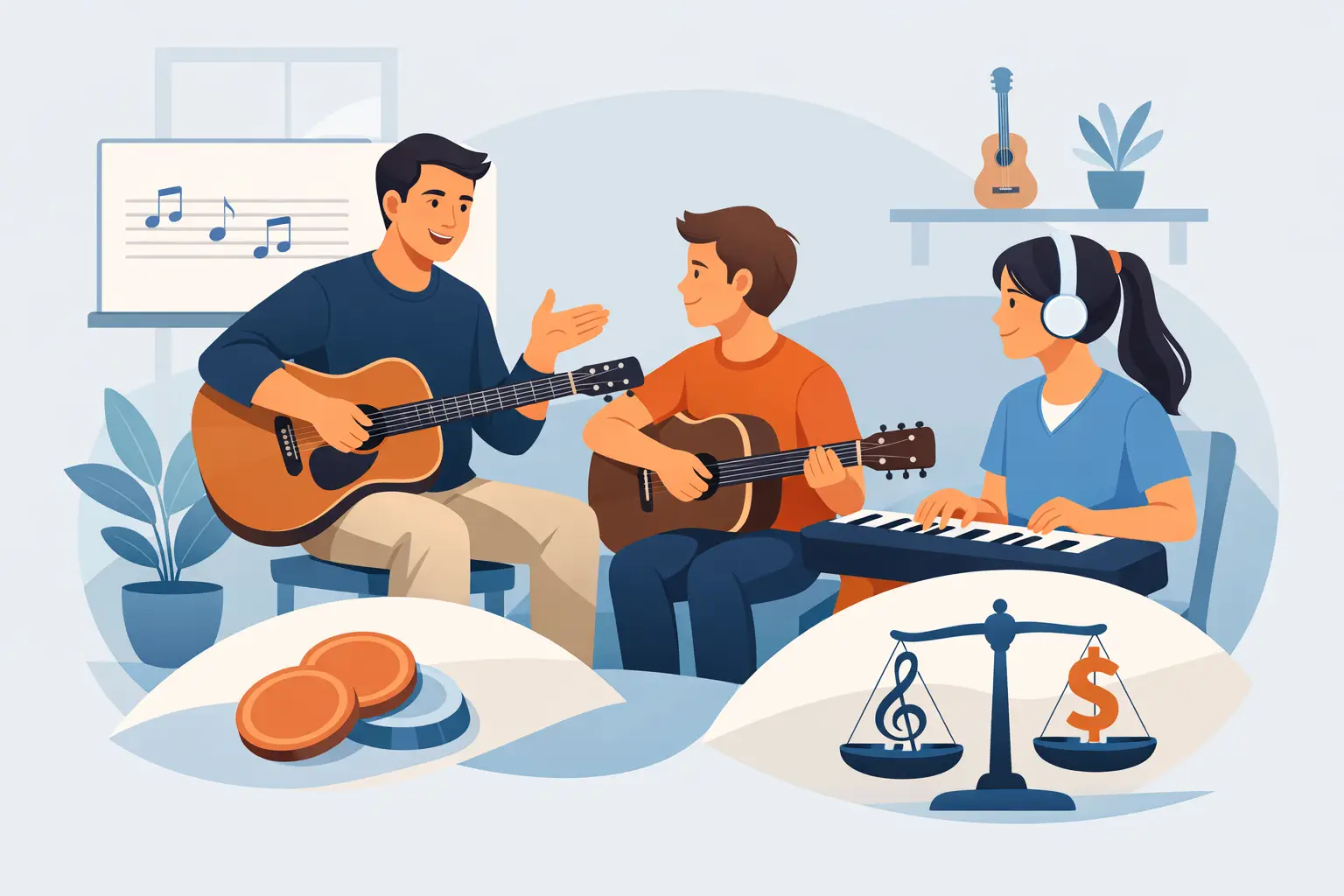
Some students light up the moment another musician joins the room. They focus better, try harder, and start having more fun because learning no longer feels like a solo task. That is where semi private music lessons can be such a great fit. They offer personal instruction with the added energy of learning alongside one or two other students, and for many kids, teens, and adults, that mix creates real momentum.
At their best, semi private lessons give students the structure they need and the encouragement they crave. You still get guided instruction, clear goals, and individual feedback, but you also gain something private lessons cannot always provide on their own - shared experience. Students hear each other improve, celebrate wins together, and build confidence in a setting that feels supportive instead of intimidating.
What semi private music lessons actually are
Semi private music lessons usually involve two or a small handful of students learning together with one instructor. This is not the same as a large class where everyone follows one general plan. A strong semi private format still makes room for individual goals, skill levels, and musical interests.
For example, two piano students might work on different songs while sharing technique drills, rhythm work, and performance practice. Two singers might focus on their own repertoire but practice harmony, microphone technique, and stage confidence together. A guitar student and a bass student might even benefit from learning side by side if the lesson is built around listening, timing, and playing with others.
That flexibility is a big reason this format works so well. The lesson stays personal, but it also becomes more interactive and more motivating.
Why semi private music lessons work so well for many students
A lot of progress in music comes from consistency. Students need regular practice, strong coaching, and enough encouragement to keep going when something feels challenging. Semi private lessons can support all three.
First, they make learning more engaging. When students see a peer working through the same concept, whether it is counting rhythms, changing chords, or singing with more control, they realize they are not the only one figuring things out. That can reduce pressure and help students relax.
Second, they build accountability in a natural way. Many students practice more when they know someone else will hear them play. Not because they feel judged, but because they feel connected. They want to come in prepared, contribute, and show their progress.
Third, they create early performance experience. Playing or singing in front of another student may seem small, but it matters. It helps students get comfortable being heard. Over time, that can make recitals, open mics, jam sessions, and live performances feel far less scary.
For parents, this format can also be appealing because it combines meaningful instruction with social growth. For adult students, it often takes the edge off and makes lessons feel more relaxed and enjoyable.
Who benefits most from a semi private format
There is no one-size-fits-all answer here, because the right lesson format depends on personality, goals, age, and experience level. Still, semi private music lessons tend to be especially helpful for a few kinds of students.
Beginners often do well because they can learn core skills in a friendly environment without feeling like all attention is on them every second. Kids who are social usually thrive because they enjoy the built-in interaction. Teens often like the collaborative feel, especially if they are interested in performing, songwriting, or joining a band later on. Adults who feel nervous about starting lessons can also find this format more comfortable than walking into a fully one-on-one setting.
It is also a smart option for siblings, friends, or students with similar goals. If two students are close in age and level, they can push each other forward in a really positive way.
That said, some students do better with private instruction, at least for a season. If someone needs very intensive technical correction, has highly specialized goals, or gets easily distracted, private lessons may be the better starting point. Sometimes the best path is a mix - private lessons for focused individual growth and semi private experiences for confidence and collaboration.
The biggest advantage: confidence through shared progress
One of the most powerful things about learning music with even one other person is how it changes the emotional side of progress. Students stop seeing mistakes as proof that they are behind. They start seeing mistakes as part of learning, because they can watch that process happen in real time for someone else too.
That shift matters. Confidence in music is not just about playing the right notes. It is about being willing to try, repeat, adjust, and keep going. Semi private lessons can make that process feel normal and encouraging.
This is especially valuable for students who eventually want to perform. Whether the goal is a recital, a school talent show, a worship team, an open mic, or a local venue, musicians need more than technical skill. They need comfort, presence, and the ability to recover when something does not go perfectly. Learning around peers helps build that resilience.
What to look for in a great semi private lesson program
Not all semi private lessons are created equal. The format works best when the instructor knows how to balance group energy with individual attention. Students should never feel lost in the mix.
A strong program will group students thoughtfully, keep goals clear, and make sure each student still has a personalized path. The teacher should know when to bring students together for a shared exercise and when to split attention for individual coaching. That balance is what turns the lesson from a generic small class into a genuinely effective learning experience.
It also helps when the studio offers a bigger musical environment beyond the lesson itself. Semi private students often grow even faster when they have chances to perform, join events, attend jam sessions, or connect with other musicians. Those experiences reinforce what they are learning and make music feel alive.
That community piece is a major reason many families and adult learners stay motivated. Lessons are not just another appointment on the calendar. They become part of something fun, challenging, and rewarding.
Semi private vs. private lessons
Private lessons offer maximum personalization and can be ideal for students who need concentrated one-on-one instruction. If a student is preparing for an audition, working through advanced technique, or moving at a very specific pace, private lessons may be the clearest fit.
Semi private lessons offer a different kind of value. They still provide guidance and personal feedback, but they add interaction, listening skills, peer encouragement, and a stronger sense of shared growth. For many students, that makes them more enjoyable and easier to stick with long term.
The real question is not which format is better in every case. It is which format will help this student keep showing up, keep improving, and keep believing they can do it.
That is why the best studios look beyond the lesson type itself. They pay attention to goals, personality, readiness, and what will help a student feel successful. At Matt Burk Music Studio, that student-first mindset is what helps lessons stay both effective and fun.
Are semi private music lessons right for your family?
If your child would benefit from a little extra motivation, more confidence, and a chance to learn alongside others, this format is absolutely worth considering. If you are an adult who wants instruction without the pressure of being alone in the room, it may be exactly the right starting point.
The key is finding a program that keeps the lesson personal while making room for connection. When that happens, students do not just learn songs. They develop courage, consistency, and the joy of making music with other people.
And that joy matters. The students who grow the most are often the ones who feel safe, supported, and excited to come back next week. When lessons create that kind of momentum, progress tends to follow.
If semi private music lessons sound like a better fit for your goals, trust that instinct. The right learning environment can change everything, and sometimes all it takes is one other musician in the room to help a student find their voice.