
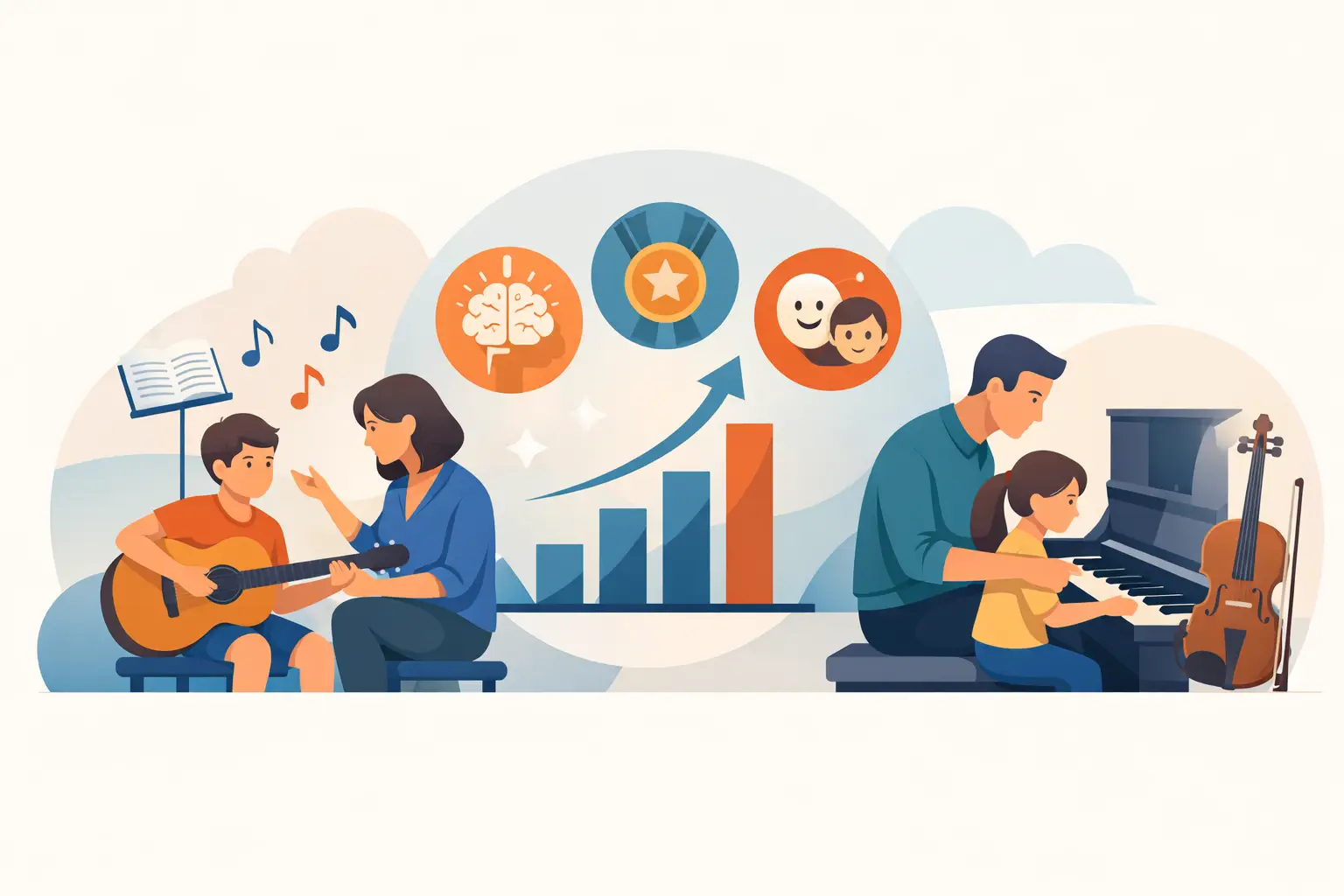
A lot of families ask this question right before they book a first lesson, and a lot of adults ask it right before they talk themselves out of one. Are music lessons worth it? If you are hoping for growth, confidence, structure, and a hobby that actually stays with you, the answer is often yes. But the real answer depends on what you want out of the experience and how the lessons are taught.
That matters because music lessons are not just about learning songs. The right lessons help a child stick with challenges a little longer, help a teen feel proud of real progress, and help an adult reconnect with creativity without feeling judged. When lessons are personalized and enjoyable, they become something much bigger than a weekly appointment.
Are Music Lessons Worth It for Kids, Teens, and Adults?
For many students, yes - but not for the same reasons.
For kids, lessons often build more than musical skill. They create routine, listening habits, patience, and confidence. A child who learns to play a simple song all the way through starts to believe, maybe for the first time, that effort leads somewhere. That feeling carries over into school, sports, and other parts of life.
For teens, music can become a real outlet. It gives them a place to express themselves, work toward something meaningful, and be part of a community. This is especially true when lessons include performance opportunities, band experiences, or coaching that connects music to their actual interests. Teens usually do not stay motivated by drills alone. They stay motivated when they can hear their progress and share it.
For adults, lessons are often worth it in a different way. Many adults are not chasing perfection. They want to finally learn piano after years of saying they would. They want to sing with more confidence, play guitar at home, or get back into drums after a long break. Good lessons give adults structure without pressure. That balance matters.
What Makes Music Lessons Feel Worth the Cost?
People rarely regret paying for lessons that lead to visible progress. They do regret paying for lessons that feel generic, confusing, or disconnected from their goals.
The biggest factor is personalization. A beginner child needs something very different from an adult hobbyist. A student who wants to perform needs a different path than one who just wants to play for fun at home. When an instructor pays attention to those differences, the lesson feels useful right away.
The second factor is momentum. Students need to feel small wins early. That might be learning a favorite riff, keeping a steady beat, reading basic notes, or singing a song with more confidence than last week. Progress does not need to be dramatic to feel exciting. It just needs to be real.
The third factor is environment. Students tend to stay longer and grow faster in a place where they feel encouraged, not intimidated. A warm teacher, a clear plan, and a supportive community can make all the difference between quitting after a month and sticking with music for years.
The Benefits Go Beyond the Instrument
One reason music lessons are worth it for so many people is that the return is not just musical.
Students learn how to keep going when something feels awkward at first. They get better at handling mistakes without shutting down. They experience the reward of practice in a very direct way. That is powerful, especially for kids who need confidence and for adults who have gotten used to being hard on themselves.
There is also the social side. Music can be deeply personal, but it is also something meant to be shared. Playing in a group, joining a band class, attending a jam session, or preparing for a recital gives students a reason to keep improving. It turns lessons from a private task into a meaningful experience.
Performance, when handled in a supportive way, can be especially valuable. Standing in front of other people and sharing a song teaches courage. It also gives students a milestone. They are not just practicing in the abstract. They are working toward something memorable.
When Music Lessons Might Not Feel Worth It
This is the part people often skip, but it matters.
Music lessons may not feel worth it if the student is being pushed into them with no say in the process. They may not feel worth it if the teacher uses a one-size-fits-all approach, or if the student never gets to play music they actually enjoy. Lessons can also feel frustrating when expectations are unrealistic. If someone expects instant results, even a great program can feel disappointing.
There is also the issue of fit. Not every teacher is right for every student. Some students need more structure. Others need more freedom. Some want serious classical training. Others want to write songs, join a band, or learn chords quickly. A mismatch in style can make a good activity feel like the wrong one.
That is why flexibility matters. A studio that can adapt to the student, offer different formats, and remove unnecessary pressure usually creates a much better experience.
What Real Progress Actually Looks Like
One reason people question whether lessons are worth it is that they picture progress the wrong way. They imagine a dramatic before-and-after transformation in a few weeks. That is not how music usually works.
Real progress is quieter at first. A child sits at the piano without being reminded. A beginner guitarist changes between two chords more smoothly. A vocalist stops apologizing before they sing. A drummer holds the groove longer than they could last month. These are meaningful wins.
Over time, those small wins stack up. Students develop technique, musical understanding, stage comfort, and independence. They start to sound more like themselves. That is when music lessons become especially rewarding, because the student is no longer just learning an instrument. They are building an identity around something positive.
How to Know if Lessons Are a Good Investment for Your Family
The best question is not simply whether lessons cost money. Most worthwhile activities do. The better question is what your family is getting in return.
If lessons are helping your child grow in confidence, stay engaged in something creative, and build a skill they are proud of, that value is real. If your teen has a healthy outlet and a community around music, that value is real too. If you are an adult who finally has something that is yours, something challenging and enjoyable and refreshing in the middle of a busy week, that counts.
It also helps to look at the practical side. Is scheduling manageable? Are makeups flexible? Is there a clear path for beginners? Are there chances to perform or collaborate when the student is ready? Is the studio invested in the person, not just the timeslot? Those details shape whether lessons fit real life.
At a student-centered place like Matt Burk Music Studio, that fit is part of the value. Personalized instruction, supportive teachers, and real performance opportunities help students connect their weekly lessons to bigger goals. That connection is what keeps the experience meaningful.
Are Music Lessons Worth It If You Are Just Starting?
Yes, especially if you are starting with the right expectations.
Beginners do not need to be naturally gifted. They need guidance, consistency, and a learning environment that makes it easy to keep going. The first few weeks should not feel like a test. They should feel like the start of something exciting and doable.
That is true for children and adults alike. A strong beginner experience removes the fear that music is only for people who already seem talented. It shows students that skill is built, not handed out at birth. Once that clicks, lessons often become much more than a class. They become proof that growth is possible.
So, are music lessons worth it? For most people, yes - if the lessons are personalized, encouraging, and connected to real goals. The best lessons do more than teach notes and rhythms. They help students enjoy the process, believe in their progress, and share something meaningful with the people around them.
If you have been thinking about starting, this is a good reminder that you do not need to have it all figured out before the first lesson. You just need a place where you or your child can begin, feel supported, and take that first small step toward making music part of life.